Trademark symbols play a vital role in both branding and legal protection. They serve several important purposes, including giving public notice of trademark claims, helping consumers identify branded goods or services, and indicating a mark’s registration status with the U.S. Patent and Trademark Office (USPTO). Understanding the differences between the trademark symbols—® , TM, and SM—and knowing when to use each one is essential for anyone building or managing a brand. This article explains what each symbol represents, how it should be used, and why it matters for safeguarding intellectual property and strengthening brand identity. offers end-to-end support for Auriga Accounting pvt. ltd. ,U.S. trademark registration, providing comprehensive assistance at every stage of the process.

Trademark Symbols in the United States
Introduction
ToggleWhat Is a Trademark Symbol?
A trademark symbol is a visual indicator placed next to a name, logo, phrase, or design to show that it is being claimed as a trademark. These symbols serve several important purposes:
Identify a name, logo, or design as a trademark
Help customers recognise and associate the mark with your brand
Notify competitors that you claim ownership of the mark
Indicate whether the trademark is registered with the U.S. Patent and Trademark Office (USPTO)
Types of Trademark Symbols
There are three primary trademark symbols—® , ™, and ℠. Each symbol represents a different type or status of trademark protection and is typically displayed as a superscript next to the trademark.
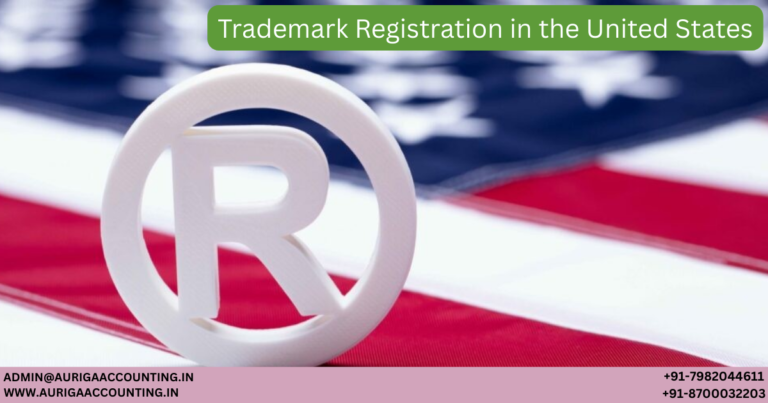
Registered Trademark Symbol (®)
The registered trademark symbol (®) signifies that a trademark is officially registered with a national trademark office, such as the USPTO. This symbol offers the highest level of legal protection and communicates to consumers that the brand is formally recognised and protected.
Using the ® symbol reassures customers of the authenticity of the product or service while acting as a strong deterrent to competitors who may consider infringing on the registered mark. It clearly warns others that the trademark is protected under federal law.
Trademark Symbol (™)
The trademark symbol (™) is used to indicate a claim over a trademark associated with goods, such as clothing, electronics, or consumer products. It shows that the owner asserts rights in the mark, even if it is not yet registered.
The ™ symbol can establish common law trademark rights and is commonly used while a federal trademark application is pending or when registration has not yet been pursued.
Service Mark Symbol (℠)
The service mark symbol (℠) applies to trademarks used in connection with services rather than physical goods. For example, a law firm, consulting company, or marketing agency would use the ℠ symbol to protect its brand identity.
Like the ™ symbol, ℠ asserts ownership rights without requiring federal registration and is typically used while a service mark application is under review.
What Do Trademark Symbols Accomplish?
Trademark symbols play a critical role in protecting and distinguishing a brand by serving three key functions:
Public Notice and Deterrence
Trademark symbols publicly declare ownership of names, logos, and slogans, warning competitors against unauthorised use. They help prevent imitation by clearly signalling that brand elements are protected.
Consumer Recognition
These symbols assist consumers in identifying official brand elements, making it easier to recognise and trust your products or services in the marketplace.
Registration and Legal Protection
The ® symbol, in particular, indicates that a trademark is registered with the USPTO, granting nationwide rights and stronger legal protection under federal law.
Is It Necessary to Use a Trademark Symbol?
Using a trademark symbol is not legally required, and choosing not to use one does not invalidate your trademark rights. However, there are several advantages to displaying a trademark symbol:
Stronger Legal Position: Demonstrates active and public assertion of trademark rights
Public Notice: Clearly informs others that the mark is claimed
Consumer Trust: Helps customers identify authentic products or services
Deterrence: Reduces the likelihood of infringement or marketplace confusion
While optional, trademark symbols can significantly strengthen your brand’s legal and commercial position.
When to Use Each Trademark Symbol
Trademark symbols must be used correctly based on the registration status of your mark:
® Registered Trademark
Use only after the trademark has been officially registered
Using ® before registration is illegal and may result in application rejection
™ Trademark
Use for goods when claiming rights to an unregistered trademark
Appropriate while a federal trademark application is pending
℠ Service Mark
Use for services when claiming an unregistered service mark
Applies during the review of a service mark application
Correct usage helps protect intellectual property and accurately communicates the status of your trademark rights.
How to Use Trademark Symbols Correctly
Placement of the Symbol
Trademark symbols should be placed in the upper-right corner of the trademark. If space is limited, placing the symbol immediately after the mark is also acceptable.
Use in Trademark Applications
Trademark symbols should not be included in trademark registration applications. Including the ® symbol in an application may lead to rejection, as it falsely implies registration. Professional guidance can help ensure accurate and compliant filing.
Use of Symbols for Foreign Registrations
If a trademark is registered outside the United States but not with the USPTO, the ® symbol cannot be used in the U.S. The ® symbol is reserved exclusively for trademarks registered with the USPTO.
Understanding how and when to use trademark symbols is essential for protecting your intellectual property. If you are unsure about proper usage or registration requirements, consulting an experienced trademark attorney can help you avoid costly mistakes and ensure your brand is fully protected.
About the Author
Dakesh
Dakesh translates complex legal regulations into clear, actionable guidance, enabling entrepreneurs to stay compliant while confidently building sustainable and scalable businesses.
new
RELATED ARTICLES