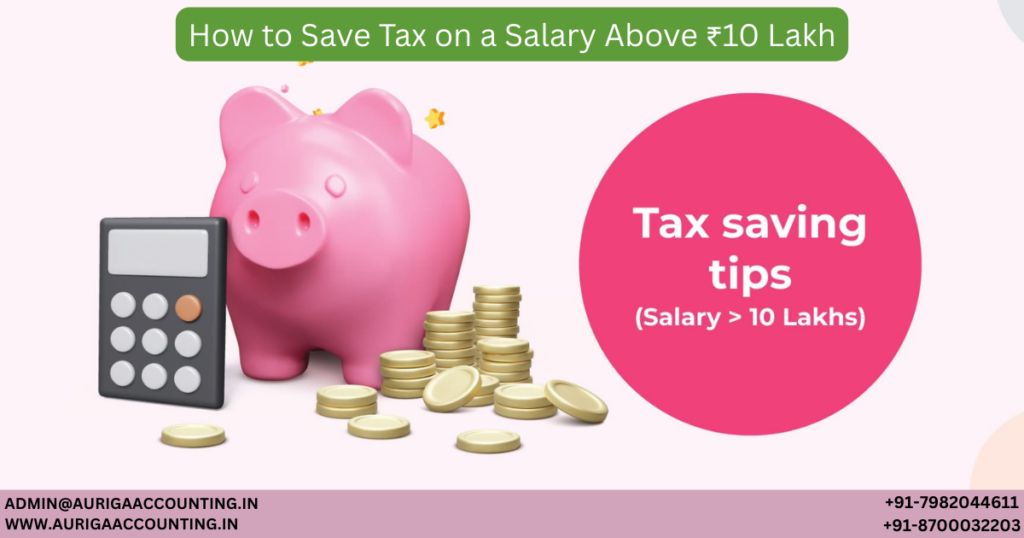
Effective tax saving starts with a clear understanding of your salary structure, along with the exemptions and deductions available under both the old and new tax regimes. With the right planning, even a high salary can be structured in a tax-efficient manner. Let’s simplify the process.
Understanding Your Salary Structure
Your taxable salary is determined after deducting eligible exemptions and deductions from your gross income. A simplified salary computation may look like this:
| Particulars | Amount (₹) |
|---|---|
| Gross Salary (Section 17(1)) | XXXX |
| Less: Exemptions (Section 10) | |
| House Rent Allowance (HRA) | XXXX |
| Leave Travel Allowance (LTA) | XXXX |
| Reimbursements (Mobile, Internet, etc.) | XXXX |
| Children’s Education & Hostel Allowance | XXXX |
| Less: Deductions (Section 16) | |
| Standard Deduction | XXXX |
| Income under the Head “Salary” | XXXX |
| Less: Chapter VI-A Deductions | |
| Section 80C | XXXX |
| Net Taxable Income | XXXX |
By effectively using salary components, exemptions, and deductions—particularly under the old tax regime—you can substantially reduce your taxable income.
Deductions and Exemptions Under the New Tax Regime (FY 2025–26)
While the new tax regime limits traditional deductions, it still allows certain key benefits:
Allowed Deductions
Standard Deduction: ₹75,000 (for salaried individuals)
Section 80CCD(2): Employer’s contribution to NPS (up to 10% of salary)
Section 80CCH: Investment in the Agniveer Corpus Fund
Section 57(iia): Family pension deduction (one-third of pension or ₹25,000, whichever is lower)
Permitted Exemptions
Voluntary Retirement compensation (Section 10(10C))
Gratuity (Section 10(10))
Leave encashment (Section 10(10AA))
Interest on home loan for let-out property (Section 24)
Transport allowance for specially-abled individuals
Conveyance and travel reimbursements for official purposes
Note: Most traditional deductions such as Sections 80C and 80D are not available under the new regime. Choosing the right regime depends on your investment and salary structure.
Exemptions Available Under the Old Tax Regime
The old tax regime allows several tax-exempt allowances that can make your salary more tax-efficient:
| Salary Component | Tax Benefit |
|---|---|
| House Rent Allowance (HRA) | Exempt within prescribed limits |
| Leave Travel Allowance (LTA) | Exempt for two domestic journeys in four years |
| Mobile and Internet Reimbursements | Fully exempt with supporting bills |
| Children’s Education Allowance | ₹100 per month per child (up to two children) |
| Hostel Allowance | ₹300 per month per child (up to two children) |
| Food Coupons/Allowance | Up to ₹50 per meal (maximum two meals per day) |
| Professional Tax | Up to ₹2,400 per year (state-dependent) |
Deductions Under the Old Tax Regime
In addition to exemptions, the old regime provides access to multiple deductions:
| Deduction | Section | Limit / Condition |
|---|---|---|
| Standard Deduction | 16(ia) | ₹50,000 |
| Investments (EPF, PPF, ELSS, etc.) | 80C | Up to ₹1.5 lakh |
| Health Insurance Premium | 80D | ₹25,000 (₹50,000 for senior citizens) |
| Education Loan Interest | 80E | Deduction available for up to 8 years |
| Donations to Charitable Institutions | 80G | 50% or 100%, subject to eligibility |
| Home Loan Interest (Self-occupied) | 24(b) | Up to ₹2 lakh per year |
| Home Loan Principal Repayment | 80C | Within ₹1.5 lakh limit |
| Disabled Dependent Expenses | 80DD | ₹75,000 to ₹1.25 lakh |
| Life Insurance Policy Maturity | Section 10 | Fully exempt, subject to conditions |